Licensed Real Estate Agent & Mortgage Loan Originator
Anthony T. Etheredge is your single point of contact for buying, selling, and financing real estate in South Carolina — from the home search through closing day.

Most buyers juggle separate agents and lenders who don’t talk to each other — creating delays, miscommunication, and stress. Anthony eliminates that friction by handling both sides of the transaction personally.
No chasing down separate agents and loan officers. One call handles everything.
When the agent and lender are the same person, timelines compress and roadblocks get resolved in real time.
No surprises between what the property costs and what the financing looks like — you see the complete picture from day one.
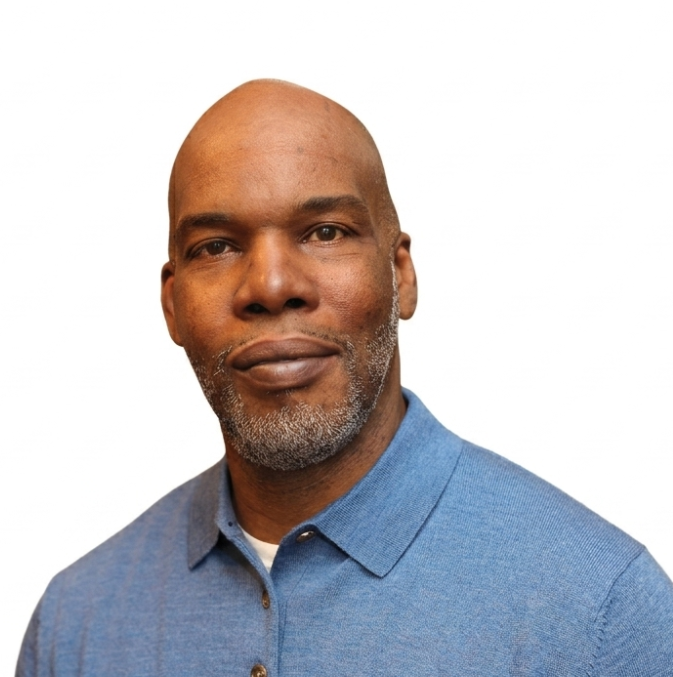
Real Estate Agent & Mortgage Loan Originator Columbia, South Carolina
License #: 145375
Type: Associate
State: South Carolina
Expires: 06/30/2027
Office: REO.14728 OFC
NMLS #: 1233519
Company: i3 Mortgage, LLC
State: South Carolina
Office: 115 Atrium Way, Ste 117, Columbia, SC 29223
From finding your property to funding it — Anthony handles every step so you don’t have to coordinate between strangers.
Find your ideal property and lock in your financing with one professional. From showings to signing, every detail is handled.
List and sell as low as 4% commission. Bridge loans available so you can buy your next home before closing on the current one.
Loans for office buildings, retail spaces, multi-family, and investment properties with flexible terms for business owners and investors.
Full-service buyer and seller representation across South Carolina. Market analysis, negotiations, inspections, and closing coordination — all handled personally.
16 loan programs to match your unique financial situation. Select a category or browse them all.
FHA loans are government-backed mortgages designed to help first-time and low-to-moderate income borrowers achieve homeownership. They require as little as 3.5% down payment and accept lower credit scores than conventional options. Both upfront and annual mortgage insurance premiums are included, with fixed and adjustable rate options available for qualified borrowers.
VA loans are exclusive benefits available to eligible veterans, active-duty service members, and surviving spouses, backed by the Department of Veterans Affairs. These loans offer significant advantages including no down payment requirement, no private mortgage insurance, and competitive interest rates. VA loans can be used for purchasing, building, or refinancing primary residences. Borrowers must obtain a Certificate of Eligibility and meet specific service requirements to qualify for this valuable benefit.
USDA Rural Development loans are government-backed mortgages designed to promote homeownership in eligible rural and suburban areas, as defined by the United States Department of Agriculture. These loans offer 100% financing with no down payment required for qualified borrowers meeting income limits based on area median income. USDA loans feature competitive interest rates and reduced mortgage insurance costs compared to other zero-down programs. Properties must be located in USDA-eligible areas and serve as the borrower's primary residence, making this program ideal for families seeking homeownership in smaller communities and rural markets.
Down Payment Assistance (DPA) programs are state, local, or nonprofit initiatives that provide financial support to help qualified homebuyers cover down payment and closing cost requirements. These programs typically offer grants, deferred loans, or forgivable loans that can be combined with conventional, FHA, VA, or USDA mortgages to reduce upfront homebuying expenses. Assistance amounts vary by program and location, often ranging from a few thousand dollars to significant percentages of the purchase price or down payment requirement. Many DPA programs target first-time buyers, moderate-income households, or specific professions like teachers and public safety workers, with some requiring buyers to remain in the home for a specified period to avoid repayment obligations.
Conventional fixed rate mortgages are traditional home loans not backed by government agencies, featuring interest rates that remain constant throughout the loan term. These loans typically require a down payment of 3-20% and are available in various terms, most commonly 15 or 30 years. Borrowers with good credit scores and stable income often qualify for competitive interest rates. Private mortgage insurance (PMI) may be required if the down payment is less than 20% of the home's value.
First-time homebuyer loans are specialized mortgage programs designed to assist individuals purchasing their first home or those who haven't owned a home in the past three years. These programs often feature reduced down payment requirements, competitive interest rates, and may include down payment assistance or closing cost credits. Many first-time buyer programs are offered through state and local housing authorities, combined with conventional, FHA, or VA loan products to maximize benefits. Additional advantages may include reduced mortgage insurance requirements, tax credits, or flexible credit score criteria to help overcome common barriers to homeownership.
Purchase mortgage loans are financing products specifically designed for buying residential properties, available in various formats including conventional, government-backed, and specialized loan programs. These loans require pre-approval processes involving credit evaluation, income verification, and debt-to-income ratio analysis. Purchase loans can accommodate different down payment levels, credit profiles, and property types depending on the specific program chosen. The mortgage application process includes home appraisals, title searches, and closing procedures to complete the property transfer.
Home Refinance Loans, also known as refinancing, involve replacing an existing mortgage with a new one, typically with different terms or interest rates. Borrowers often pursue refinancing to lower their monthly mortgage payments, reduce their interest rates, or access their home's equity for other financial needs. Refinance options include rate-and-term refinances, which aim to secure better loan terms, and cash-out refinances, allowing homeowners to borrow against their home's equity. The process usually involves a credit check, home appraisal, and evaluation of the borrower's financial situation to determine eligibility and the potential benefits of refinancing.
In some cases a refinance loan might result in higher finance charges over the life of the loan.
Jumbo loans are mortgages that exceed the conforming loan limits established by the Federal Housing Finance Agency, making them too large to be purchased by government-sponsored enterprises. These loans typically require larger down payments, higher credit scores, and more substantial cash reserves than conventional mortgages. Interest rates may be slightly higher due to increased lender risk and reduced liquidity in the secondary market. Jumbo loans are a great option for purchasing high-value properties in expensive real estate markets.
Commercial loans finance income-producing properties such as office buildings, retail spaces, warehouses, and multi-family apartment complexes. These loans are evaluated based on the property's cash flow potential, debt service coverage ratio, and borrower's commercial real estate experience. Commercial mortgages typically feature shorter terms, higher down payment requirements, and variable interest rates compared to residential loans. The underwriting process emphasizes property income generation and market analysis rather than personal income verification.
Debt Service Coverage Ratio (DSCR) loans are investment property mortgages that qualify borrowers based on the rental income potential of the property rather than personal income. The DSCR calculation compares the property's projected rental income to its debt service obligations, typically requiring a ratio of 1.0 or higher. These loans are particularly attractive to real estate investors building rental portfolios without personal income limitations. DSCR loans streamline the qualification process for experienced investors by focusing on property performance rather than complex personal financial documentation.
Bank Statement Loans are an alternative lending product for self-employed individuals and business owners who lack traditional tax returns or W-2 documentation. These loans are generally based on 12-24 months of personal or business bank statements to verify the applicant's ability to repay. This approach helps borrowers with variable income, cash-based businesses, or irregular employment qualify for financing. Bank statement loans typically carry higher interest rates than conventional loans, reflecting the increased risk to lenders. These loans are commonly used by freelancers, contractors, real estate investors, and small business owners.
Non-Qualified Mortgage (Non-QM) loans are alternative financing products that don't meet the Consumer Financial Protection Bureau's Qualified Mortgage standards, offering flexibility for borrowers with unique financial situations. These loans may feature interest-only payments, alternative income documentation, or higher debt-to-income ratios than traditional mortgages. Non-QM products serve borrowers who don't fit conventional lending criteria, such as self-employed individuals, real estate investors, or those with irregular income patterns. While offering greater flexibility, these loans typically carry higher interest rates and fees to reflect increased risk.
Foreign national loans provide mortgage financing for non-U.S. citizens and non-permanent residents seeking to purchase property in the United States. These specialized programs accommodate borrowers without U.S. credit history or Social Security numbers, often requiring larger down payments and cash reserves. Lenders may accept foreign credit reports, international income documentation, and alternative verification methods. Foreign national loans enable international buyers to invest in U.S. real estate markets while meeting specific documentation and financial requirements.
Construction loans provide short-term financing for building new homes or major renovations, typically lasting 6-12 months during the construction phase. These loans usually require interest-only payments during construction, with funds disbursed in stages as building milestones are completed. Upon construction completion, borrowers typically convert to permanent mortgage financing through a construction-to-permanent loan or secure separate long-term financing. Construction loans require detailed building plans, qualified contractors, and substantial down payments due to their specialized nature.
Reverse mortgages allow homeowners aged 62 and older to convert home equity into cash while continuing to live in their homes. The most common type, Home Equity Conversion Mortgages (HECM), are insured by the Federal Housing Administration and provide flexible payout options including lump sums, monthly payments, or credit lines. No monthly mortgage payments are required, with the loan becoming due when the borrower moves, sells, or passes away. Reverse mortgages require counseling sessions and have specific eligibility requirements to protect senior borrowers.
Not sure which program is right for you?
From intake to closing — we make the mortgage process clear, fast, and straightforward.
Fill out our quick, free online intake form so we can review your basic needs and match you with the right loan program.
Once reviewed, complete the full Mortgage Loan Originator application securely through our i3mortgage portal.
We handle coordinating with underwriters, title companies, and agents to get you to the closing table.
Real reviews from real clients who trusted us with their real estate goals.
Whether you need to find a home, finance one, or both — pick a time and let’s talk. No obligation, no pressure.